Upgrade Your Home: Inspiring Concepts for Beautiful Home Additions
Renovating a home through strategic additions can substantially boost both its usability and overall appearance. From sun-drenched sunrooms that maximize daylight to generous outdoor decks suited for social events, the choices are varied. Growing important rooms, including kitchens, strengthens family bonds, while a new garage can resolve organization concerns. Recognizing fundamental design components and thoughtful preparation is essential. Yet, what truly inspires homeowners to embrace these changes? The answer lies in the transformative power of well-executed home additions.
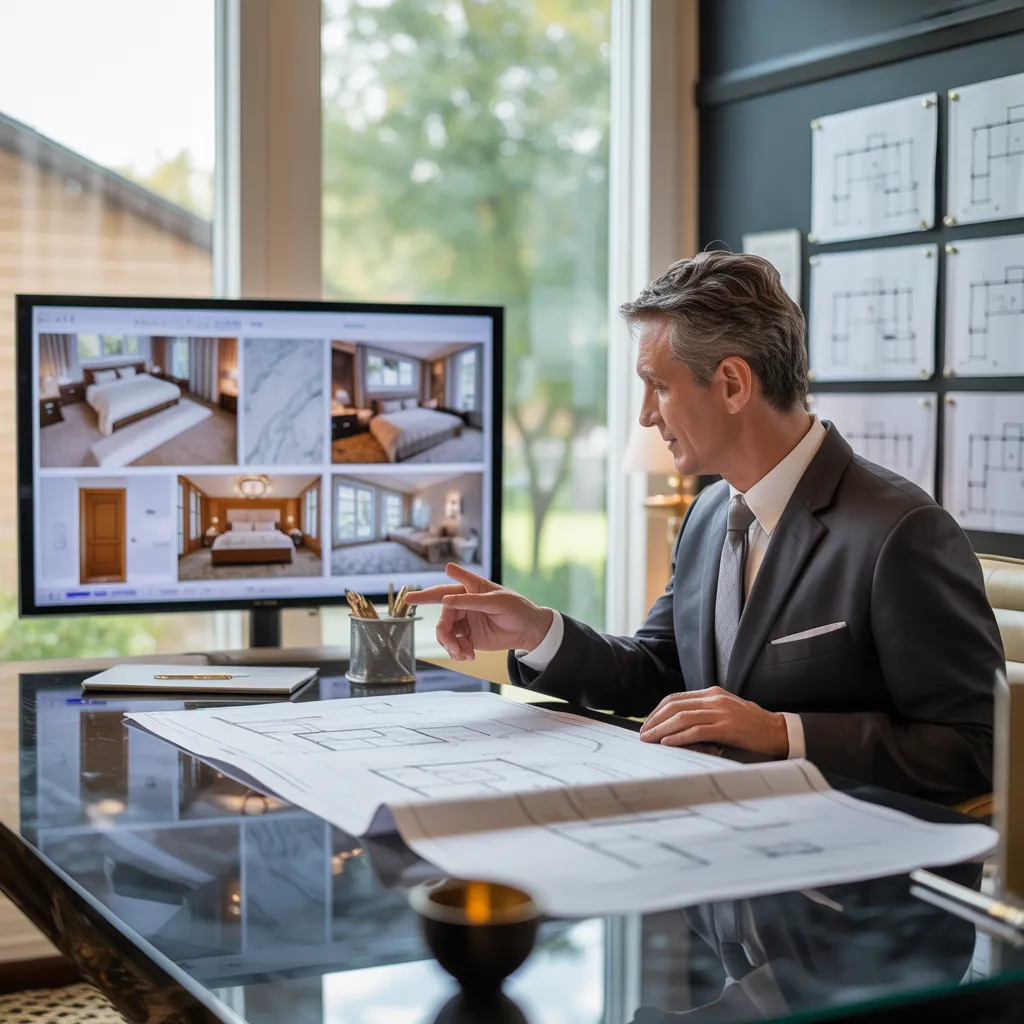
Explore Popular Home Addition Ideas to Transform Your Space
Homeowners frequently look for creative methods to improve their living spaces, and discovering trending home addition concepts can provide remarkable improvements. One widely favored option is the addition of a sunroom, which brings natural light indoors while creating a serene space for relaxation. A similarly desirable addition is a deck or patio, stretching the home's footprint outside and well-suited for social occasions.
Homeowners might also think about expanding their kitchens, making them more functional and inviting. A garage extension not only supplies more storage capacity but may also be used as a workshop or hobby space.
For homeowners requiring extra sleeping spaces, a bedroom extension can provide much-needed privacy and comfort. Finally, repurposing attics or basements into usable spaces creates an opportunity for imaginative design while read more optimizing the available square footage. All of these concepts carry the potential to improve both practicality and visual appeal, ultimately turning a home into a more pleasant living space.
How Home Additions Can Enhance Your Lifestyle?
Home additions can greatly enhance living space, giving families the space they need to grow and adapt. Moreover, expanding a home can lead to increased property value, making it a worthwhile investment. Lastly, these improvements commonly encourage closer family relationships by establishing communal spaces for activities and gatherings.
Improve Living Space
Enlarging a residence through home additions can considerably improve one's daily life by providing greater comfort and functionality. For households, new rooms can accommodate growing needs, such as a playroom for children or a private workspace for remote work. A thoughtfully designed addition can create a smooth connection between indoor and outdoor spaces, fostering social interaction and relaxation. Additionally, incorporating elements like open floor plans or large windows cultivates a sense of spaciousness and natural connection. Upgraded home spaces also enable personalized design choices, showcasing personal tastes and preferences. Ultimately, home expansions not only maximize existing spaces but also create environments that promote well-being and improve daily living experiences.
Increase Property Value
Putting money into residential expansions can substantially boost a property's market value, making it a wise financial decision. By enlarging the home's footprint or incorporating practical areas, property owners can draw in prospective buyers and boost selling prices. Additions like extra bedrooms, modern kitchens, or versatile living areas often yield significant returns on investment. Furthermore, improvements such as sunrooms or outdoor decks not only elevate the home's appearance but also cater to modern lifestyle preferences, further boosting desirability. A carefully designed expansion can turn a residence into a more desirable asset, reflecting the current market trends and buyer preferences. Ultimately, purposeful residential additions serve as a smart approach to optimizing real estate worth while enhancing the overall living experience for current occupants.
Nurture Family Ties
A skillfully crafted addition can substantially enhance family connections by creating spaces that foster interaction and closeness. Open-concept designs, such as family rooms or large kitchens, act as hubs for communal activities, fostering communication and connection. Purpose-built areas for hobbies or playrooms provide children a place to explore, while adults can appreciate nearby social spaces. Furthermore, incorporating outdoor living spaces, like patios or decks, allows families to congregate in a relaxed environment. These additions not only support everyday bonds but also create a backdrop for cherished gatherings and celebrations. At their core, well-planned home additions convert living environments into nurturing spaces that deepen family ties, improving overall quality of life.
Essential Design Elements to Enhance Your Home Addition
As homeowners plan a home addition, including fundamental design features can greatly enhance both aesthetics and functionality. Essential features encompass natural light, which can be accomplished using large windows or skylights, creating a bright and inviting space. Moreover, an open floor plan encourages smooth transition between original and expanded sections, fostering a sense of continuity.
Using complementary materials and colors confirms the addition complements the existing framework, upholding architectural harmony. Thoughtful positioning of furniture and installations maximizes usability, rendering the space functional for daily use. Connections to outdoor spaces, like a patio or deck, may expand living spaces and promote outdoor activities. Ultimately, energy-saving design solutions, including proper insulation and sustainable materials, contribute to long-term savings and environmental responsibility. By emphasizing these critical design factors, homeowners are able to develop a unified and attractive extension that elevates their lifestyle.
Successfully Plan Your Home Addition Project
Careful planning is critical for a successful home addition endeavor. Homeowners should begin by establishing their objectives, whether it's expanding their living area, enhancing functionality, or raising the home's value. Creating a solid vision helps guide the planning and building process. Additionally, reviewing regional zoning ordinances and construction codes is critical to secure conformity and sidestep potential obstacles.
Establishing a plan that maps out each step of the process assists in preserving focus and accountability. Homebuilders would benefit from hiring experts, like designers or contractors, for professional insight and to optimize the project.
Moreover, stressing the importance of collaborative communication among all parties encourages teamwork and resolves challenges in a timely manner. To conclude, anticipating future requirements can help create an addition that stays practical and useful for years to come. By following these steps, homeowners are better equipped to manage their home addition projects with assurance and direction.
Home Addition Budgeting: Important Tips to Know
Budgeting for a home addition demands thorough planning and careful thought to minimize surprise expenditures. Homeowners should begin by determining a realistic budget that includes all components of the project, such as permits, materials, labor, and unexpected costs. It is recommended to set aside a further 10-20% of the entire budget for unexpected circumstances.
Gathering and evaluating quotes from multiple contractors can offer useful information and assist in reaching well-informed choices. Additionally, homeowners should prioritize their needs versus wants, making certain that critical elements are covered without exceeding financial limits.
Establishing a thorough timeline can help with aligning costs with construction stages, alleviating monetary pressure. Ultimately, working with a financial advisor or a contractor can provide further clarity on potential costs and financing options, making certain that the spending stays on track throughout the home expansion project. This thoughtful strategy facilitates a prosperous and fiscally responsible home expansion.
Inspiring Real-Life Home Addition Transformations
Inspiring property addition renovations showcase the impressive capacity of living spaces. A perfect illustration is a humble bungalow that experienced a stunning transformation with a clean-lined, modern extension. By introducing a expansive kitchen and entertaining area, the residents enriched their kitchen functionality while creating a warm gathering space for loved ones and guests.
Another transformation features a small residence that extended skyward with a appealing loft, making the most of the space by incorporating a comfortable reading corner. This ingenious approach not only increased usability but also infused character into the home.
In the end, a ranch-style suburban residence embraced a current aesthetic with a glass-enclosed sunroom, filling the interior with an abundance of natural light and providing breathtaking views of the rear garden.
These real-world transformations showcase the numerous opportunities for residential additions, encouraging homeowners to imagine their own distinctive upgrades and transform their living spaces.
Commonly Asked Questions
What Permits Are Necessary for a Home Addition Project?
For those planning a home addition project, homeowners generally require the appropriate building permit, approval from the zoning board, and possibly electrical or plumbing permits. Local regulations vary, so consulting with municipal authorities is essential to confirm full compliance with applicable regulations.
What Is the Typical Timeline for Completing a Home Addition?
A standard home addition typically takes two to six months to be completed, based on factors including size, complexity, permits, and weather conditions. Thorough planning and an efficient contractor can greatly affect the overall timeline.
Can I Live in My Home During the Addition Process?
In most cases, homeowners can frequently reside in their homes during the home addition process. However, considerations like the project's scale, work area, and noise levels may disrupt daily comfort and access, prompting short-term adjustments or temporary accommodations during the construction phase.
What Are the Most Common Mistakes to Avoid When Planning an Addition
Common mistakes to avoid when planning an addition consist of misjudging the overall budget, overlooking required permits, disregarding structural requirements, neglecting to evaluate future demands, and failing to seek expert guidance. Diligent preparation leads to more efficient execution and improved results.
How Should I Go About Choosing the Right Contractor for My Project?
To choose the right specialist, you should research qualifications, examine testimonials, and establish clear communication. Reviewing various quotes and evaluating prior experience can aid in establishing trustworthiness and alignment for the particular residential expansion project.